
"old and new"
5000 article(s) found

What's the difference between new beans and old beans in coffee? The preservation of coffee beans the way coffee is stored.
Professional coffee knowledge exchange more information on coffee beans Please follow the coffee workshop (official Wechat account cafe_style). The raw beans harvested during the harvest period are called new beans, while those harvested for more than three years are called old beans. Although the recent mainstream is New Dou, Lao Dou also has loyal fans. Understand the advantages of new beans and old beans, and enjoy the flavor. ● new beans give off fresh flavor

Is the coffee bean the older the better?
What do you mean by new beans? What do you mean by old beans? just like rice has new rice, old rice and old rice, coffee beans also have new coffee beans, old coffee beans and old coffee beans. New coffee beans are called new beans, which refers to the raw coffee beans that are harvested. The raw coffee beans produced the year before were old beans. The raw beans harvested in earlier years are called old beans. In some places, shops under the name of old beans make coffee raw beans like grapes.

What is the knowledge of boutique coffee beans? What is "new bean"?
Just like rice has new rice, old rice, old rice, coffee also has new coffee, old coffee, old coffee. New coffee is called new beans, which refers to the raw beans harvested that year (now the coffee in Yunnan is ripe, don't miss it). The raw coffee beans produced the year before were called Past crop. The raw beans harvested in earlier years are called old beans. In Japan, some shops under the name of old beans will produce coffee.
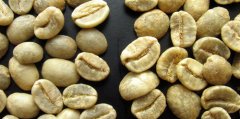
High-quality coffee raw beans: the difference between new beans and old beans
After dry and wet processing, coffee fruit becomes coffee raw bean (Raw bean/Green bean). The main components of raw beans are: carbohydrates, about 49%; moisture, about 12%; protein. About 11%; chlorogenic acid, about 7.6% alkaloids and trace elements, about 0.4%. According to the length of time, raw beans can be divided into: seasonal beans (Current Cro)
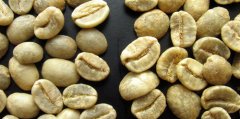
Coffee raw beans: the main components of raw beans between new beans and old beans
After dry and wet processing, coffee fruit becomes coffee raw bean (Raw bean/Green bean). The main components of raw beans are: carbohydrates, about 49%; moisture, about 12%; protein. About 11%; chlorogenic acid, about 7.6% alkaloids and trace elements, about 0.4%. According to the length of time, raw beans can be divided into: seasonal beans (Current Cro)

Coffee common sense the difference between new coffee beans and old coffee beans
New beans and old beans are also very different in appearance, new beans have more water content (12%-13%) and show dark green. On the other hand, the water content of old beans (10% 11%) and old beans (9%-10%) passes over time, so the color is lighter. If you hold it in your hand, you will find that it is lighter in weight and texture, and there will be no gloss and touch like the surface cover of new beans. But what I said above is the situation compared with the same variety of beans. Root

Basic knowledge of boutique coffee beans new beans, old beans and old beans
Generally speaking, fresh coffee beans harvested that year are called new beans (New Corp), those harvested the year before last are called old beans (Past Corp), and those that have been placed for more than a year are called old beans (Old Corp). This distinction is mainly due to the water content of raw beans, because new beans have more water content (usually between 12% and 13%) and appear dark green, while old beans (10%-11%) and old beans (water content)
Coffee raw beans: the difference between new beans and old beans
Coffee raw beans: the coffee fruits of new beans and old beans are processed by dry and wet methods, and then become coffee raw beans (Raw bean/Green bean). The main components of raw beans are: carbohydrates, about 49%; moisture, about 12%; protein. About 11%; chlorogenic acid, about 7.6% alkaloids and trace elements, about 0.4%. According to the length of time, raw beans can be specific.

The difference between fresh beans and old beans of coffee beans
New beans and old beans are also very different in appearance, new beans have more water content (12%-13%) and show dark green. On the other hand, the water content of old beans (10% 11%) and old beans (9%-10%) passes over time, so the color is lighter. If you hold it in your hand, you will find that it is lighter in weight and texture, and there will be no gloss and touch like the surface cover of new beans. But what I said above is the situation compared with the same variety of beans. Root
Boutique coffee common sense coffee raw beans the difference between new beans and old beans
After dry and wet processing, coffee fruit becomes coffee raw bean (Raw bean/Green bean). The main components of raw beans are: carbohydrates, about 49%; moisture, about 12%; protein. About 11%; chlorogenic acid, about 7.6% alkaloids and trace elements, about 0.4%. According to the length of time, raw beans can be divided into: seasonal beans (Current Cro)

What is the difference between new beans, old beans, old beans and high-quality old beans?
The roasting date of coffee beans is very important, and the roasting date can be used to determine whether the coffee is in a delicious state or whether it has been stored for too long or improperly stored. But do you know the state of these coffee beans before they are roasted? After the fruit is harvested, the coffee will be treated for several weeks, including the procedures of pulp removal, fermentation, drying, hand picking and so on.
New beans, old beans and old beans
Generally speaking, fresh coffee beans harvested that year are called "New Corp", those harvested the year before last are called "old beans" (Past Corp), and those placed for more than a year are called "old beans" (Old Corp).
Boutique coffee learns how to distinguish between new beans and old beans
The main components of raw beans are: carbohydrates, about 49%; moisture, about 12%; protein. About 11%; chlorogenic acid, about 7.6% alkaloids and trace elements, about 0.4%. According to the length of time, raw beans can be specifically divided into: seasonal beans (Current Crop), that is, fresh beans; new beans (New Crop), that is, raw beans of the first year; and old beans (Past Crop), that is,

Coffee raw beans | what's the difference between new beans, old beans and old beans in coffee?
Professional coffee knowledge exchange more coffee bean information please follow the coffee workshop (Wechat official account cafe_style) We all know that when buying coffee beans, we should choose freshly roasted ones, after all, coffee beans will enter the flavor period a few days after roasting! Not only coffee cooked beans, in fact, coffee raw beans are also somewhat fresh and stale, but we call them new beans and old beans.

How to see the difference between new beans and old beans?
Generally speaking, fresh coffee beans harvested that year are called new beans (New Corp), those harvested the year before last are called old beans (Past Corp), and those that have been placed for more than a year are called old beans (Old Corp). This distinction is mainly due to the water content of raw beans, because new beans have more water content (usually between 11% and 13%) and appear dark green, while old beans (10%-11%) and old beans (water content)

How to distinguish between new beans, old beans, old beans and old beans of coffee? What's the difference between Chen Dou and Lao Dou?
The roasting date of coffee beans is very important, and the roasting date can be used to determine whether the coffee is in a delicious state or whether it has been stored for too long or improperly stored. But do you know the state of these coffee beans before they are roasted? After the fruit is harvested, coffee will be treated for several weeks, including the procedures of pulp removal, fermentation, drying, hand picking and so on.
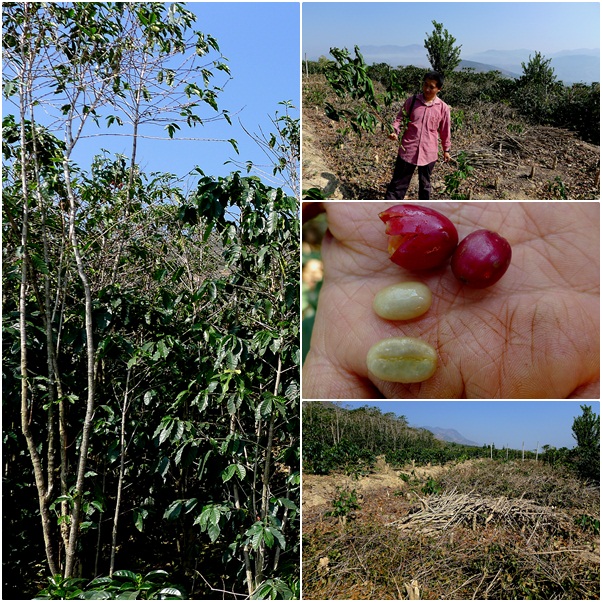
Yunnan Coffee Yunnan Bean varieties the old variety Tieka and the new variety Katimo
Yunnan Coffee Root-seeking Journey the old variety Tieka new variety Katimo mentioned Yunnan coffee. Perhaps the word we hear most is Yunnan small-grain coffee, and most of them will say that Yunnan small-grain coffee is fragrant but not bitter, strong but not strong, so many people classify Yunnan coffee varieties as small-grain species, and the taste evaluation of Yunnan coffee is naturally fragrant rather than bitter, strong but not strong.
Coffee training knowledge: coffee raw beans: the difference between new beans and old beans
Coffee raw beans: the difference between new beans and old beans. After dry and wet processing, coffee fruit becomes coffee raw bean (Raw bean/Green bean). The main components of raw beans are: carbohydrates, about 49%; moisture, about 12%; protein. About 11%; chlorogenic acid, about 7.6% alkaloids and trace elements, about 0.4%. According to the length of time, raw beans can have

Varieties of Yunnan boutique coffee beans the old variety Tieka and the new variety Katimo Yunnan boutique coffee
Yunnan Coffee Root-seeking Journey the old variety Tieka new variety Katimo mentioned Yunnan coffee. Perhaps the word we hear most is Yunnan small-grain coffee, and most of them will say that Yunnan small-grain coffee is fragrant but not bitter, strong but not strong, so many people classify Yunnan coffee varieties as small-grain species, and the taste evaluation of Yunnan coffee is naturally fragrant rather than bitter, strong but not strong.

The main components of raw beans are new beans and old beans.
After dry and wet processing, coffee fruit becomes coffee raw bean (Raw bean/Green bean). The main components of raw beans are: carbohydrates, about 49%; moisture, about 12%; protein. About 11%; chlorogenic acid, about 7.6% alkaloids and trace elements, about 0.4%. According to the length of time, raw beans can be divided into: seasonal beans (Current Cro)